



Okay, so you want to try wall murals DIY for beginners and you’re a little nervous – same. I remember staring at a blank wall and feeling equal parts excited and intimidated, like I was about to commit to a very loud tattoo for my house.
I made this little list because I tried a few simple murals myself and learned some tidy life-saving shortcuts along the way, plus the thrill of painting something giant in your own space is honestly addictive. I had one project where I painted a shamelessly joyful mountain scene and nearly knocked over the paint tray, so yes, real-life messes included.
Read on and you’ll get 13 easy mural ideas, quick tips for picking supplies, and friendly encouragement to actually try one – even if you’re nervous, messy, or short on time.
These 13 Wall Murals DIY for Beginners You’ll Love
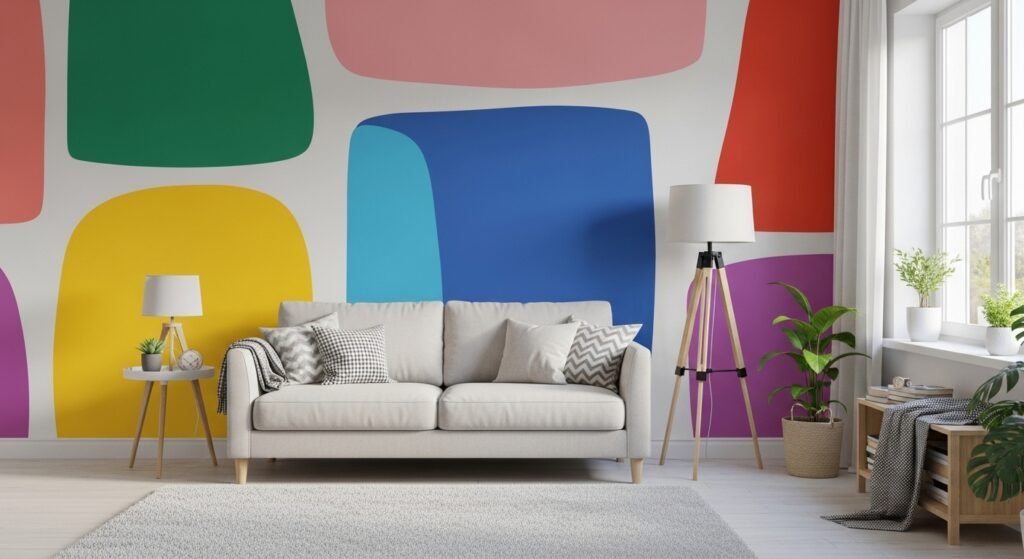
Color Block Living Room
This colorful, multi-toned living room is such a joyful way to dip your toes into murals. I did a similar color block wall in my studio and it lasted through three furniture rearranges – trust me, it disguises chaos rather well. If you love IKEA rugs and thrifted finds, a bold wall can stitch the whole look together, and it was my go-to when I needed a weekend project that felt rewarding fast.
Mountain Mural Bedroom
Soft green mountains painted behind the bed give a peaceful, cozy vibe without being over the top. I painted peaks in my spare room after a late-night Pinterest binge and fell asleep smiling the first night – yes, dramatic but true. Start with simple triangle shapes, use a level or string to guide your lines, and you’ll be surprised how quickly it looks pro.
Eclectic Colorful Living
This room is proof that multiple colors can coexist and actually feel cozy, not chaotic. I once mixed three paint chips on a whim and ended up with my favorite palette yet – accidents can be tiny design wins. If you already own a bunch of mismatched furniture, painting a bold mural ties everything together better than new pillows, honestly.
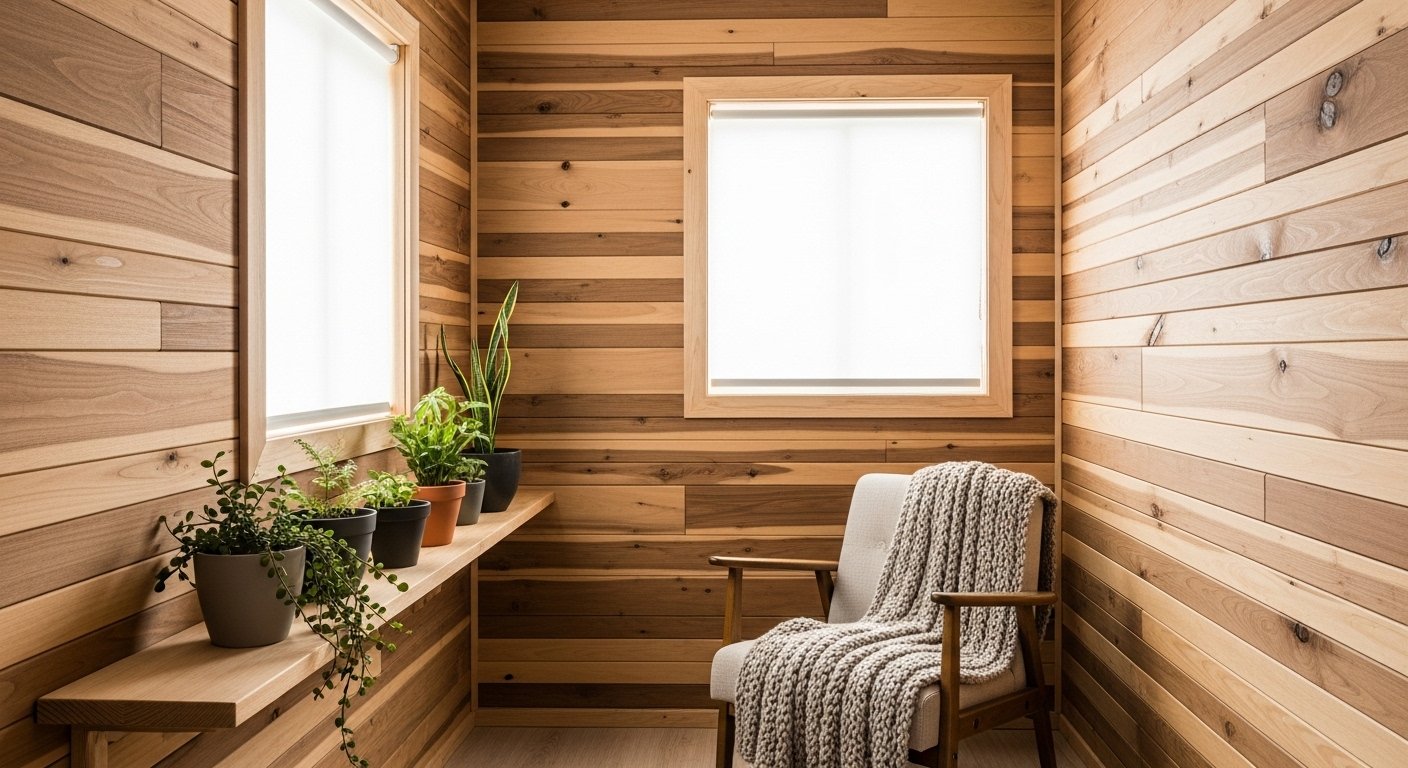
Rustic Wooden Accent
A faux wooden plank wall is a brilliant beginner project if you want texture without real carpentry. I installed peel-and-stick planks once and my cat promptly claimed the bottom row as a nap spot, so consider pet politics before you start. The trick is using two tones and a dry brush to fake age – simple, forgiving, and impossible to mess up too badly.
Striped Holiday Scene
Painting festive stripes with a roller then adding a simple silhouette design, like that tree, is surprisingly approachable. I remember this method from my childhood craft classes and thought, why not adult-size the idea? Tape carefully, roll in sections, and once you peel the tape it’s oddly satisfying – tiny imperfections actually make it feel handmade and charming.
Hand-Painted Floral Panel
Delicate hand-painted flowers are doable even if you think you have zero artistry skills – promise. I painted one corner wall with loose blossoms while binging a podcast and honestly the result was whimsical and imperfect in the best way. Keep a small round brush for petals and a fan brush for soft leaves, and don’t aim for perfection; movement matters more than exactness here.
Fresh White Backdrop
Sometimes a crisp white mural-like wall with shelves in front feels like a canvas for styling instead of painting a scene. I painted my book nook white twice because I can’t ever have enough brightness, and both times it made my plants pop. If you’re nervous about color commitment, mastering a clean white wall is a soft start that still elevates your room.
Botanical Frame Cluster
Framed botanical prints arranged over a painted accent wall bring mural energy without needing to be a painter. I once made a makeshift gallery with thrift store frames and an awkwardly painted background and it felt like a mini-museum – in my tiny apartment. Play with frame sizes and mat colors, and you can get a mural-like focal point in a single afternoon.
Floral Wall Painting
Large-scale flowers and leaves in muted tones are dreamy and surprisingly quick, especially when you sketch lightly first. I sketched on a practice board to get comfortable with shapes and then transferred the flow to the wall; practicing saved me from awkward blobs. Use a washable pencil and step back often – the scale looks different up close versus across the room.
Sunny Accent Corner
A punchy color behind a single chair is an instant mood-booster and a tiny commitment for beginners. I painted a mustard rectangle behind a reading chair and it made my morning coffee feel fancier, no kidding. If you want to test color before committing to a whole wall, this is the cutest and easiest experiment.
Playful Doorway Mural
Using the area around a door for a small mural or playful stripes is a clever hack if your walls are rented or you’re short on time. My friend painted a tiny scene around her closet door and guests always ask about it – it’s like a quirky secret. A doorway mural is forgiving because it’s small and can be blended with regular paint if you change your mind later.
Colorful Floral Bedroom
Big, colorful flowers over a headboard make a bedroom feel like a sunny retreat without being too fussy. I painted oversized blooms above my daybed and would wake up happy; small detail, big mood impact. If you feel clumsy with shapes, trace simple stencils and loosen up as you fill them in – nobody needs perfect petals.
Vibrant Accent Nook
I know, this one repeats a floral vibe but it’s worth mentioning twice because floral murals can be so different depending on scale and color. Once I tried a monochrome flower mural and the result felt modern and calm, not busy at all. Play with contrast and negative space to make florals feel grown-up and not like a craft fair.
How to Actually Make This Work For You
First, pick a wall that’s not the main focal if you’re nervous – a sidewall or nook is forgiving and builds confidence. Use sample pots to test colors on the wall at different times of day and live with them for a few nights before committing, because paint looks different under morning light versus lamp light. Tape is your friend for clean edges, but don’t be scared to peel it early if a line looks too perfect – sometimes a slightly soft edge is nicer. And please, start small; a weekend mural is a better teacher than a perfect plan that never gets done, I learned that the hard way and still have the paint-splattered sweatshirt to prove it.
What supplies do I actually need?
For most beginner murals you’ll want sample or mid-size cans of paint, a few brushes (angled, round, and a small detail brush), a roller with extension, painter’s tape, a level or string, and a drop cloth. Quality matters, but you don’t need pro-level gear – mid-range paint and tidy brushes will get you a look you can be proud of.
How do I plan my design?
Sketch on paper or use simple masking tape on the wall to map shapes; for florals, try tracing a few stencils first. I also like to take a photo of the wall and roughly draw color blocks on my phone so I can play with palettes before touching paint.
How long will a mural take?
Most beginner murals take a weekend or two, depending on drying time and complexity; a simple color block or accent nook can be done in a day. Complex layered florals or textures might need multiple sessions over a week, which is totally fine – breaks help your eyes adjust.
Can I remove or change a mural later?
Yes, murals can be painted over if you decide to change your mind; primer helps if you cover a dark or saturated color. If you’re renting, choose removable wallpaper or keep designs small so repainting is quick and cheap.