



Okay, so I finally built my first raised garden bed and I am completely obsessed – raised garden beds diy for beginners felt intimidating at first, but it turned out to be way more doable than I expected. I remember staring at an overgrown patch and thinking, “I have no idea what I’m doing,” but there was something about having a neat box of soil that felt so doable.
I made this little guide because I wished someone had handed me a friendly, no-nonsense list when I started. I tried a few different materials, laughed at my first lopsided box, and learned a ton about soil mixes and spacing the hard way.
Stick with me and you’ll get 15 real, beginner-friendly raised garden bed ideas plus practical tips so you can actually start one this weekend.
15 Raised Garden Beds DIY Ideas for Beginners You’ll Actually Try
Classic Wood Boxes
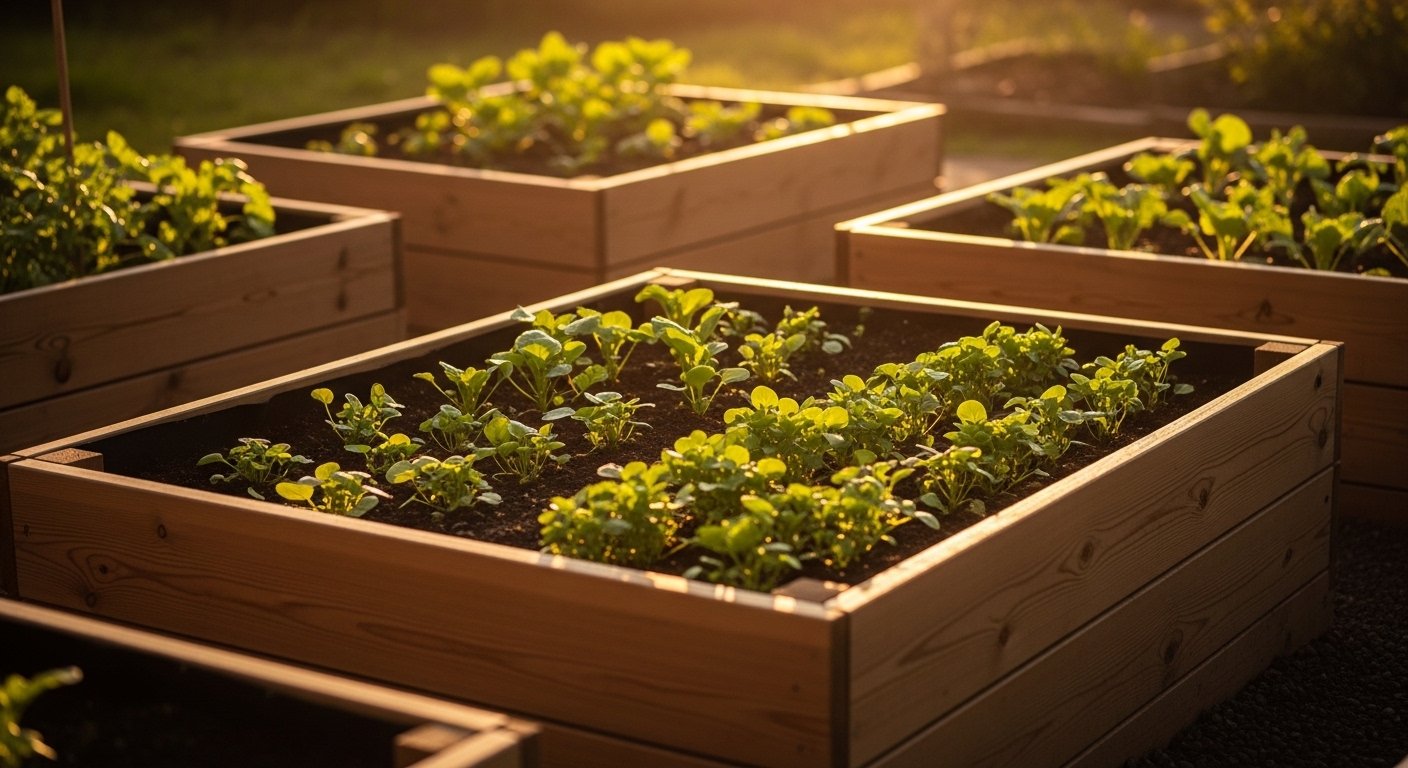
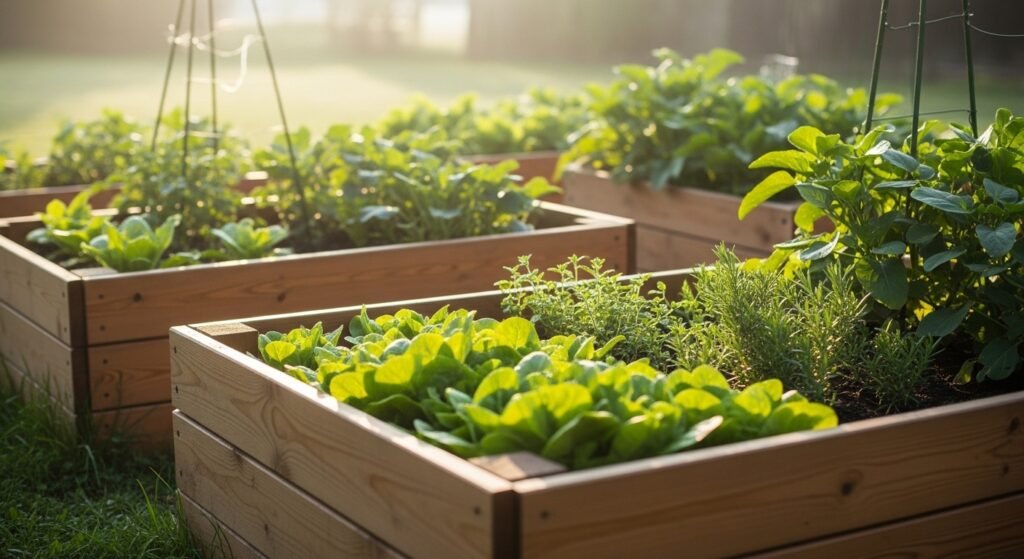
These wooden box beds are timeless and I used this exact look when I wanted something that felt homey. The simple slatted sides let roots breathe, and you can stain or leave them natural depending on your vibe. I made one with cedar and it lasted through two summers with minimal warping, though I did re-tighten a few screws after the first rainy season.
Mixed Planting Patch
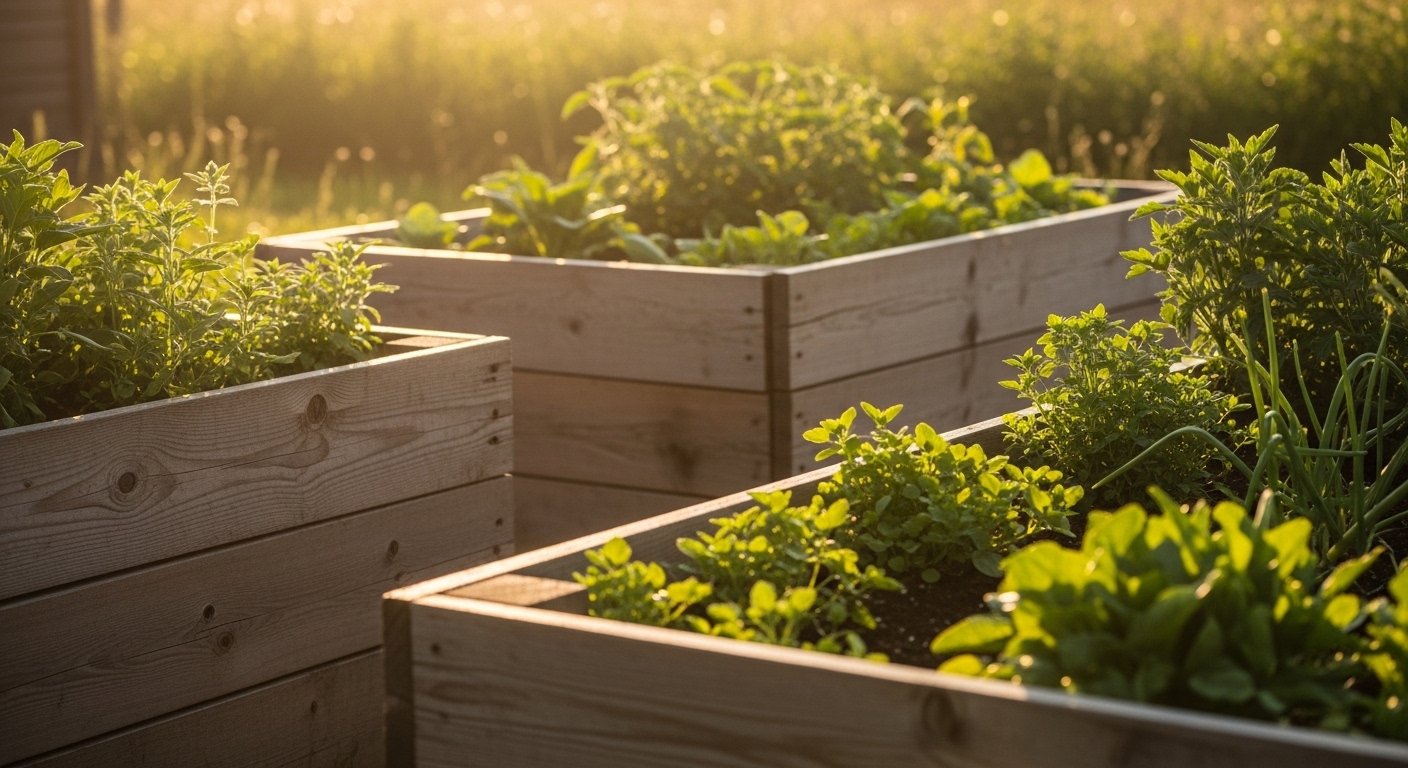
I love a raised bed that looks like a little jungle – full of herbs, lettuces, and a stray marigold or two. When you mix textures and heights it feels abundant and you can sneak more veggies into a small space. Pro tip: plant tall things at the back so nothing gets shaded out, and oh, I once accidentally planted basil behind sunflowers and learned that lesson quickly.
Metal Planter Boxes
These corrugated metal boxes look super modern and they heat up fast in spring, which helps seeds germinate quicker. I used a lined metal box once and had great tomato starts, but be careful with heat in summer since roots can dry out faster. If you go this route, add a shade cloth on super hot days – trust me, your basil will thank you.
Vertical Ladder Garden
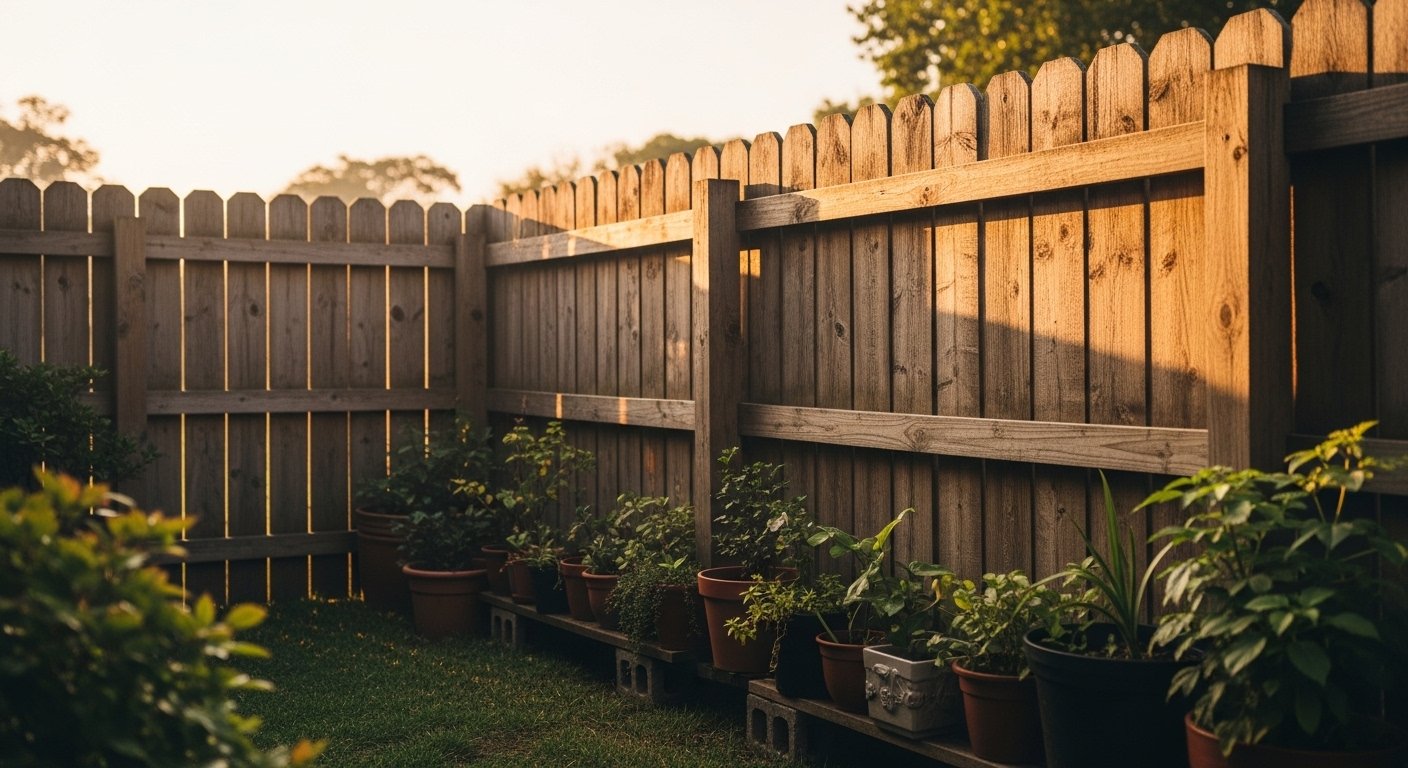
This ladder-style raised bed is a quirky way to save space and show off trailing plants. I built a mini version leaning against my fence and the strawberries loved the extra sun exposure. It looks cute from the porch, though I did have to re-secure a rung after my overambitious watering session – oops.
Mixed Wood and Metal Combo
Combining wood with metal accents gives a rustic yet industrial vibe that works in modern yards. I tried this with reclaimed pallet wood and a galvanized sheet and it felt sturdy and chic. You might notice small gaps in reclaimed wood – nothing wrong, just character, and I patched a knot hole with outdoor silicone to keep soil in place.
Cozy Corner Bed
This little bed tucked next to a bright red chair turned my corner into a mini sanctuary for herbs and a couple of peppers. I sit there with coffee in the morning and sneak clippings for salads, which feels so satisfying. If you only have a small patch, corner beds make great use of space without looking cluttered.
Front Yard Curb Appeal
Raised beds in the front yard can be both pretty and practical when planted with low shrubs and edible flowers. I once swapped a patch of grass for three shallow beds and neighbors actually stopped to ask what I was growing. It gave our curb instant personality, and I loved showing off little harvests at BBQs.
Gravel Pathway Beds
I adore beds arranged around a gravel path because they feel like a garden room you can stroll through. The stone makes weeding easier and adds a neat walkway for carrying watering cans. When friends visited, they kept walking the path and admiring the layout – instant garden vibes.
Mixed Bed Styles
Combining rectangular beds with circular or square ones adds visual interest and helps with crop rotation planning. I did this to separate herbs from heavy feeders and it made harvesting simpler. Honestly, seeing the beds organized made me feel less chaotic during the planting season.
Soil Prep and Covering
This cover idea is useful for prepping beds or protecting soil from pests while you plan. I used a breathable fabric cover when my seedlings were tiny and it kept birds away without frying anything. You can vacuum or brush the area clean before covering – I did that once and felt oddly proud of the tidy patch.
Repurposed Boat Bench
Okay, this one is playful – using an upside down boat or old bench as a raised planter adds personality. I have a small bench planter that I filled with succulents and it instantly became a conversation starter. If you like quirky touches, this is a fun DIY that also reuses materials.
Tiered Wooden Bed
Tiered beds are brilliant for maximizing vertical space and giving you multiple soil depths for different crops. I planted shallow lettuces on the top tier and deeper-rooted carrots below, which made harvesting less of a bend-fest. It’s a tiny back-saver and honestly my knees thanked me the whole summer.
Vegetable Patch Rows
This classic row-style raised bed is perfect for serious veg gardeners who love organized planting. In my first season I lined up tomatoes, beans, and chard and it felt like my own little CSA. Remember to label rows if you tend to forget what you planted – I totally misidentified my dill once, true story.
DIY Materials Mix
Using assorted scrap materials can be budget-friendly and charming if you like the mismatched look. I salvaged some planks and an old pallet and made a bed that looked rustic and cost almost nothing. It was a little wobbly at first, so I reinforced corners with brackets and felt much better about it afterward.
Simple Starter Bed Build
This build shows a straightforward, no-fuss raised bed that’s perfect for your first project and honestly, that’s how I started. The steps are basic: measure, cut, assemble, fill with soil, and plant. If you’re nervous, start small with one bed and treat it like a trial run – I did, and it felt like a tiny victory every week.
How to Actually Make This Work For You
Start by picking the simplest design that fits your space and schedule, not the fanciest one you pin and panic over, because small wins build confidence fast. Use good soil – a mix of compost, topsoil, and a light soilless amendment or perlite helps drainage and keeps plants happy without you fussing every day. Finally, plan for water access and maintenance – a drip line or soaker hose and a weekly check in will keep things thriving and prevent that overwhelming “what do I do now” feeling I had the first season.
What materials should a beginner use?
Go with untreated cedar or pine if you can, because they’re easy to work with and last a few seasons without toxic treatments. You can also use reclaimed wood or metal if you like the look, just line metal boxes to prevent rust staining and avoid pressure-treated wood that can leach chemicals into edible beds.
How big should my first raised bed be?
A good beginner size is about 4 feet wide by 6 feet long and 10-12 inches deep so you can reach the center from the sides without stepping in. If your back prefers it, make it taller – 18-24 inches is great for easier gardening and deeper roots, though it uses more soil.
What soil mix should I use?
Use a blend of compost, quality topsoil, and a lightweight amendment like perlite or coconut coir for aeration. Aim for rich, crumbly soil that retains moisture but drains well; I mixed mine in a wheelbarrow and it felt therapeutic, not gonna lie.
How much sun do raised beds need?
Most veggies need 6-8 hours of sunlight, so place beds where they get morning or full sun if possible. If your yard is shadier, pick shade-tolerant greens like spinach and chard, and you can still have a productive plot even without blazing sun.