

Okay, honestly – I didn’t expect to fall so hard for a little patch of dirt, but here we are. My first diy garden bed on a budget started as a late-night impulse and turned into my favorite weekend ritual. I still can’t believe how much joy those first tiny seedlings brought.
I wrote this because I know how intimidating it feels to want a garden but think you need money, space, or fancy tools. I’ve learned a lot by messing up cheap soil mixes and saving old pallets, and I’ll save you the bruises and the plantar humps. You’ll find projects here that actually fit a small budget and a busy schedule.
Read on and you’ll get 15 practical, pretty, and totally do-able ideas for building a diy garden bed on a budget – plus real tips I used when my cat ate my seed packets. Tiny imperfections included, because that’s life.
These 15 Budget Friendly DIY Garden Bed Ideas You’ll Actually Try
Repurposed Barrel Planter
I adore this old barrel planter vibe – it feels rustic and expensive even when it cost me basically nothing. I once scored a dented barrel for free from a neighbor, drilled drainage holes, and it became my tomato throne. If you’re short on cash, you’ll love how easy it is to line with landscape fabric and fill with good soil; trust me, your plants won’t judge the dents.
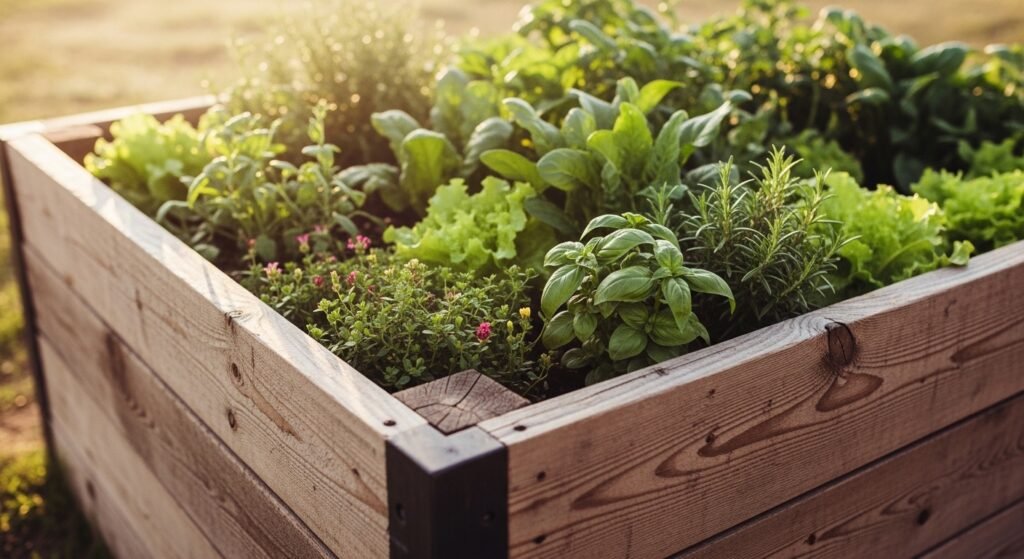
Simple Raised Beds
Raised beds are so satisfying to build because they give structure without needing a backyard makeover. I built a pair using leftover fence boards and they grew more herbs than I knew what to do with – pesto overload, anyone? If you want neat rows and less bending, this is the low-budget classic to try.
Brick-Edged Garden
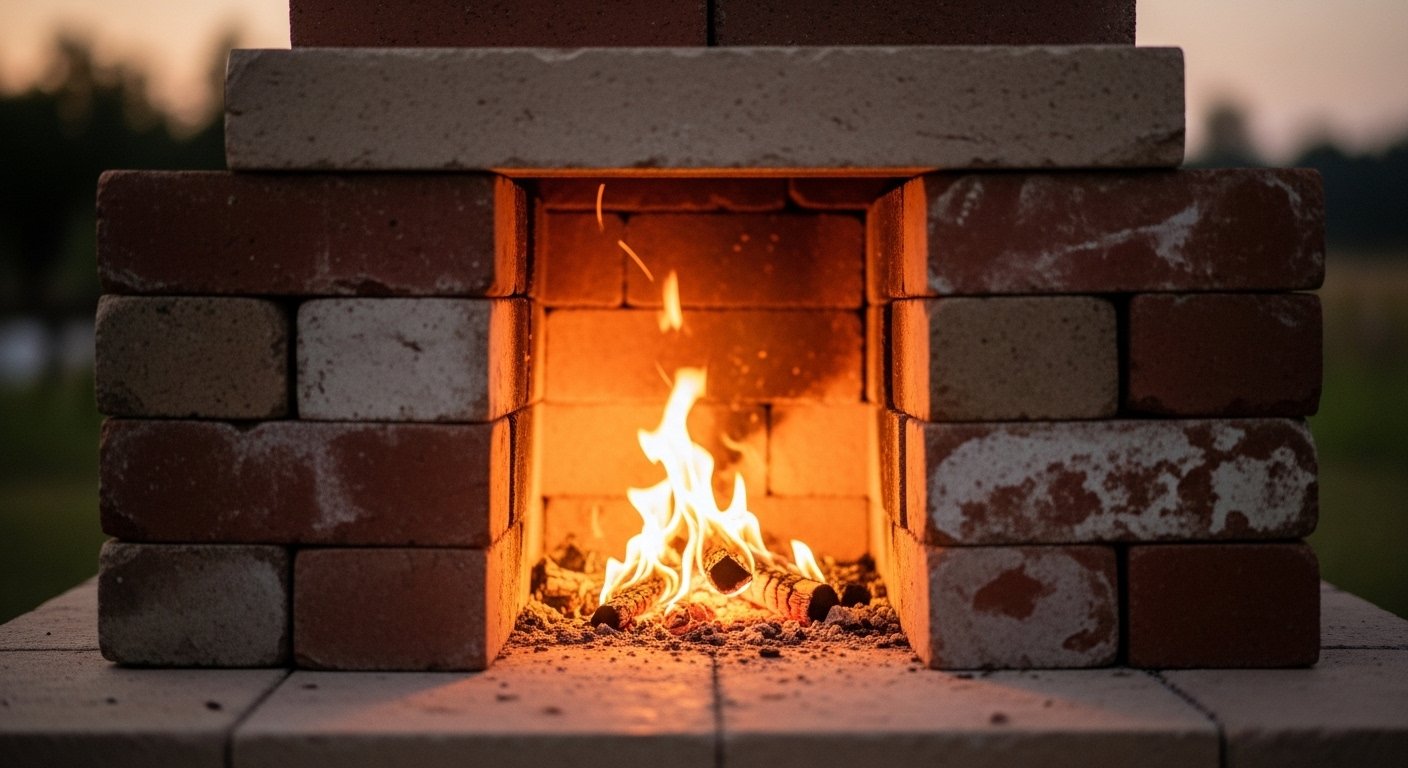
Using salvaged bricks to edge a bed makes your space look intentionally designed, and it’s a thrift-store dream. I once scavenged bricks from a neighbor’s demolition pile and laid them like a little puzzle – it took patience, but the result felt designer-level. Pro tip – keep a tarp handy for shade or to protect fresh soil on hot days.
Pair of Wooden Planters
These twin wooden planters are perfect for divided crops or aesthetic balance on a small lawn. I’ve got two similar boxes flanking my back door and their mismatched stain somehow looks cozy, not kitschy. You can build them in an afternoon with pallet wood – yes, pallets again – and a few screws.
Veggie Box with Owner Pride
There’s something wholesome about a wooden planter filled with homegrown vegetables – you’ll probably take more photos than you need. I remember showing my dad a tiny cucumber and he pretended it was a Michelin-star vegetable, which made me laugh. If you’re starting small, plant vertically inside the box to maximize yield.
Trellis for Climbing Cucumbers
Climbing plants are the budget gardener’s best friend because they save ground space and look lush. Once, I let cucumber vines take over a flimsy trellis and woke up to an entire green curtain – slightly chaotic but gorgeous. For a cheap trellis, use bamboo stakes and twine; it’s romantic and practical.
Tomato & Cucumber Trellis
Combining tomatoes and cucumbers on a shared trellis can create a micro-jungle effect that’s very satisfying to harvest from. I once jammed a volunteer tomato in next to cucumbers and they happily coexisted, sharing the vertical space. Just keep an eye on airflow so mildew doesn’t gatecrash your harvest.
Two-Level Wooden Bed
I love the idea of a two-level planter because it gives instant dimension to a small yard. When I built mine, I used scraps and it looked like a mini terraced garden within a weekend. You can tuck shallow-rooted herbs up top and heartier veggies below for smart layering.
Classic Center Raised Bed
Placing a raised bed in the middle of the yard creates a focal point and makes watering predictable. I once put one smack in the middle of my little lawn and it immediately became where everyone hung out – my neighbor even asked to borrow a tomato. Add mulch around it to keep weeds at bay and make paths tidy.
Vertical Plant Tower
Vertical towers scream small-space genius because they use height, not footprint, and they look modern. I tried stacking planter boxes into a tower once and, okay, it wobbled a bit, but after some re-securing it became my strawberry skyscraper. You’ll want to check moisture since top tiers dry faster.
Simple Soil Box with Cover
Covering a garden box with plastic or fabric is a cheap way to create a mini-greenhouse for seedlings. I used a plastic tarp the first spring and it sped up germination like magic, though I learned to vent it or things got sweaty. This trick is great if you want an early start without buying a fancy cloche.
Stepped Raised Beds
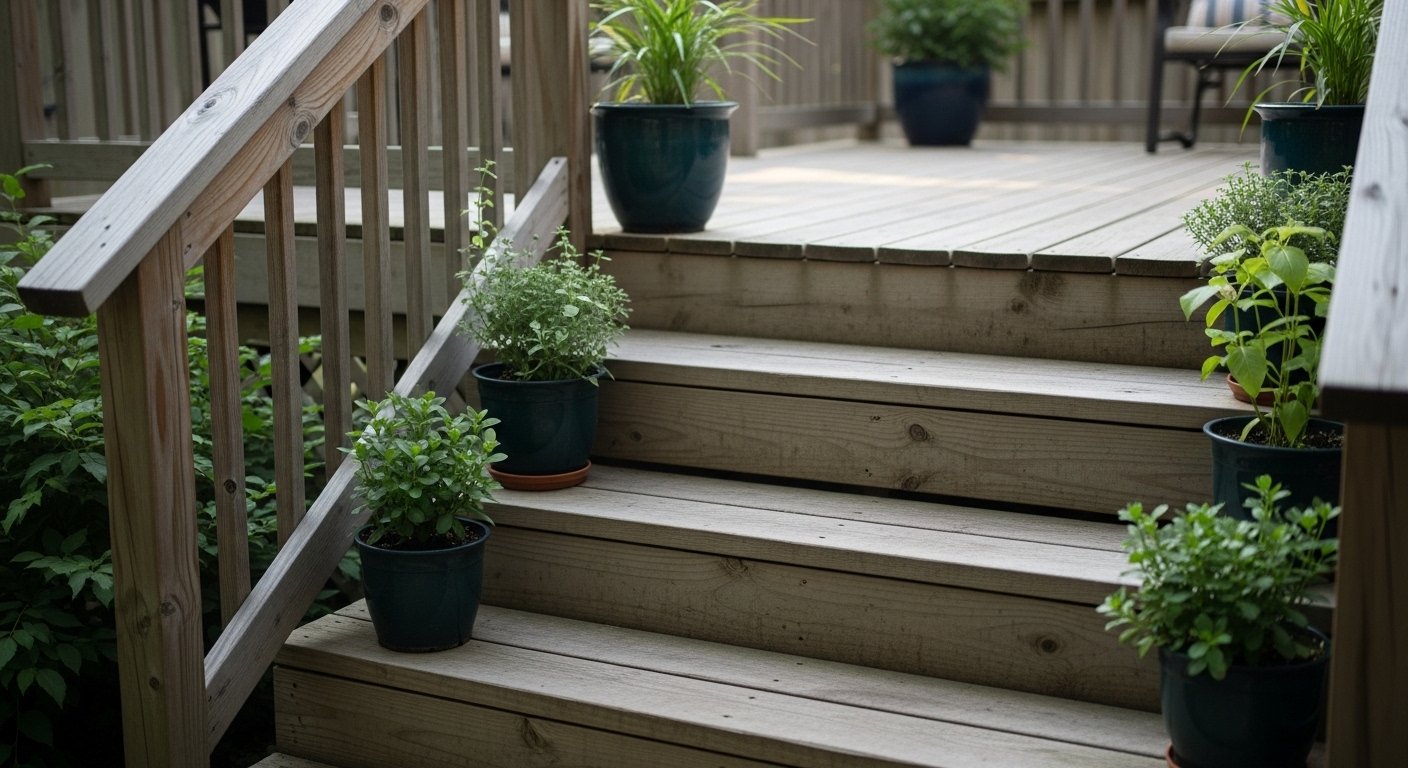
Stepped beds are lovely on a sloped yard because they create accessible levels that look intentional. I built a small stepped bed along a fence using leftover decking, and suddenly my slope felt like purpose-built charm. If you have a hill, this is the budget way to make it an asset instead of a nuisance.
Gravel-Adjacent Planter Box
Setting a wooden box on gravel gives great drainage and a tidy aesthetic without expensive prep work. I set one box on crushed stone near my patio and it made cleanup so much simpler; no mud tracked through the house. Consider landscape fabric under the box to keep weeds from creeping up.
Flower-Filled Garden Patch
Even if you’re focused on edibles, a flower-filled bed is the quickest way to make a space feel alive. I planted marigolds and zinnias around my veggies once and it attracted so many pollinators my neighbor joked I was running a bee spa. Flowers also mask the beginner-level chaos of mismatched seed packets – haha.
Brick & Dog-Friendly Border
If you share your yard with pets, a raised bed bordered by bricks keeps curious snouts out without breaking the bank. I learned this the hard way after my pup kept digging at seedlings; a low brick wall solved the problem and looked cute too. Do watch the edges so there are no sharp bits for paws.
How to Actually Make This Work For You
Start by choosing one small project that fits your time and budget – trying to overhaul the entire yard in a weekend is how a lot of plans die quietly. Use reclaimed wood, free pallets, or secondhand containers to keep costs down, and invest the savings into good soil because that’s where your plants really live. Finally, accept tiny imperfections – a crooked bed or one messy row of beans is charming and totally fine; gardening is more about progress than perfection.
Do I need special tools to build these beds?
Not really – you can get by with a drill, a saw (hand or power), a hammer, and some screws or nails. Many projects use salvaged materials so you might already have what you need, and local buy/sell groups are great for inexpensive tools.
How much will a basic DIY garden bed cost?
It varies, but a very basic raised bed using reclaimed wood can be under $30 if you source materials smartly. Spending a little more on quality soil and compost is worth it because that accelerates plant growth and reduces frustration later.
What plants are best for beginners?
Start with forgiving plants like lettuce, radishes, herbs (basil, mint, parsley), and cherry tomatoes if you have a sunny spot. These are low-fuss, fast-growing, and forgiving when you make small mistakes with watering or spacing.
How do I prevent weeds without spending a fortune?
Use cardboard under soil to smother grass, add landscape fabric if needed, and top with mulch to block light from weed seeds. Hand-pulling is free, and staying on top of weeds when they’re small saves you lots of time later.