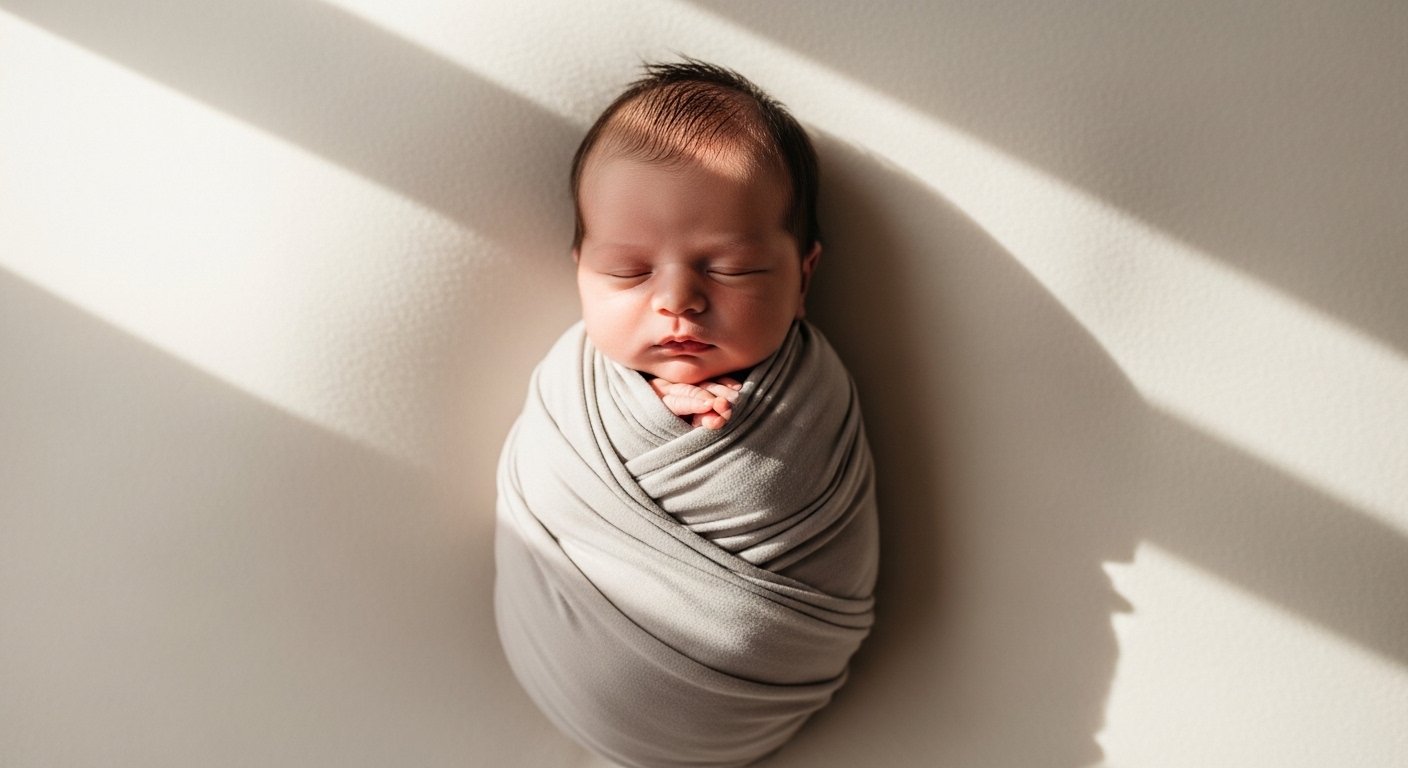
Okay, so you want dreamy diy newborn pictures at home on a budget – same. I remember frantically Googling ideas when my little one arrived and feeling completely overwhelmed by all the studio options.
This post exists because you can make gorgeous newborn photos without emptying your savings or hiring a pro. I tried a bunch of ridiculous things (including a thrift-store basket that almost tipped over) and kept the setups simple – and yes, they turned out better than I expected.
Stick with me and I’ll walk you through 10 easy setups, the exact Pinterest inspo I used, and real tips that actually work – no fancy gear required.
10 Simple DIY Newborn Pictures at Home You Can Actually Do
Black & White Hands Shot
These intimate black-and-white shots of hands holding a baby feel timeless and cost nothing but your phone. I love how they focus on tiny details – one of my favorites was when I captured my partner’s thumb next to our baby’s fist and melted a little. Try using natural window light and convert to monochrome in your phone editor – you’ll be surprised at how professional it looks.
Teddy Bear Collage
This collage of baby and a teddy bear is sweet and playful – perfect if you want a storybook vibe. I made a tiny set with a free stuffed toy and a neutral sheet; I remember laughing because my cat insisted on joining, so yes, expect surprises. If you take several close-ups and crop them together, you’ll get that scrapbook energy without paying for prints.
Foot-in-Hand Close-Up
Hands and feet close-ups are the kind of images you’ll cherish forever – so simple, yet emotional. I once took a shot of my baby’s tiny foot wrapped around my finger and ended up framing it above our mantel. Use a shallow depth (or portrait mode) to blur background distractions and keep the focus on those perfect little toes.
Sleeping Baby Portrait
Black-and-white sleeping portraits bring calm and softness to your gallery. I did these during late afternoon light, and the naps actually worked to my advantage – quiet time is your friend. Place the baby on a plush blanket and shoot from above for a peaceful, editorial look that screams “studio” but costs zero.
Family Collage Moments
Mixing parent and sibling shots in a black-and-white collage gives your newborn session emotional weight without a pro. I remember cajoling my toddler to kiss the baby and getting one perfect, slightly messy shot – authentic and so real. You can stitch a few smartphone photos together in Canva or your phone editor and call it art.
Tripod & Blanket Lifestyle Setup
Seeing a tripod in the frame made me laugh at first, but this setup is genius for solo parents who need to control the shot. I set my camera on a cheap tripod and used the self-timer while humming to get baby to calm down – worked surprisingly well. If you don’t have a tripod, stack books and secure your camera or phone – safety first, though!
Hands & Feet Collage
This collage of tiny hands and feet in different positions gives a rhythmic, intimate feel. I did a similar series and accidentally captured three different yawns – oops, but I loved the variety. Take multiple frames and keep the best little quirks – that’s the charm.
Mom’s Arm Snuggle
A baby sleeping on mom’s arm is the coziest, most honest newborn shot you can get. I remember crying a little when I finally saw ours – the closeness feels so profound. Ask a partner or friend to help steady the pose if needed, and use a soft-focus edit to emphasize warmth.
Classic Bed Nap Shot
A simple black-and-white portrait of baby on a bed is effortless and beautiful. I did this on my own bed with a white duvet and the result felt like something from a magazine. Keep surfaces soft, minimize pattern clashes, and shoot from slightly above for that gentle editorial feel.
Quad Detail Grid
The four-panel detail grid of nose, mouth, hands, and head is a modern little series that shows off the tiny features. I made one and stuck it in a small frame for my office – it’s my favorite subtle reminder. Use consistent lighting for cohesion and don’t overthink it; imperfections look personal, not amateur.
How to Actually Make This Work For You
First, use natural light and keep things calm – that’s truly where half the magic happens. Move blankets or set the baby near a large window, shoot during soft morning or late afternoon light, and avoid overhead flash that shrieks “studio.” Second, embrace simple props – a neutral knit, a favorite stuffed animal, or your partner’s sweater for scale – and experiment with heights and angles; I once used a wicker laundry basket and ended up with the cutest, slightly lopsided shot that still makes me smile. Finally, remember safety and patience – take short breaks, have warm hands, and don’t rush; you’ll get a mix of keeper frames and a few comic outtakes, which are gems too.
How do I keep the baby safe during setups?
Always have a spotter nearby – never leave the baby unattended on an elevated surface. Use soft, stable surfaces and keep props minimal; I often had my partner’s hand just out of frame to steady things and it helped me relax while shooting.
What phone settings give the best results?
Use portrait mode or a shallow aperture if available, and keep exposure slightly bright but not blown out. I sometimes lock focus on the baby’s face and take multiple frames – bracketing helps you pick the best expression afterward.
Can I edit on my phone without paying for apps?
Yes – free editors like Snapseed and the built-in Photos app are surprisingly powerful for contrast, cropping, and converting to black-and-white. I edited most of my early pics on my phone between feedings – quick and effective.
When is the best time to photograph a newborn?
The first two weeks are classic for sleepy curled-up poses, but honestly any time is a good time if the baby is calm and well-fed. I did some favorites at six weeks and they still felt newborn – trust your rhythm and the baby’s mood more than arbitrary timelines.