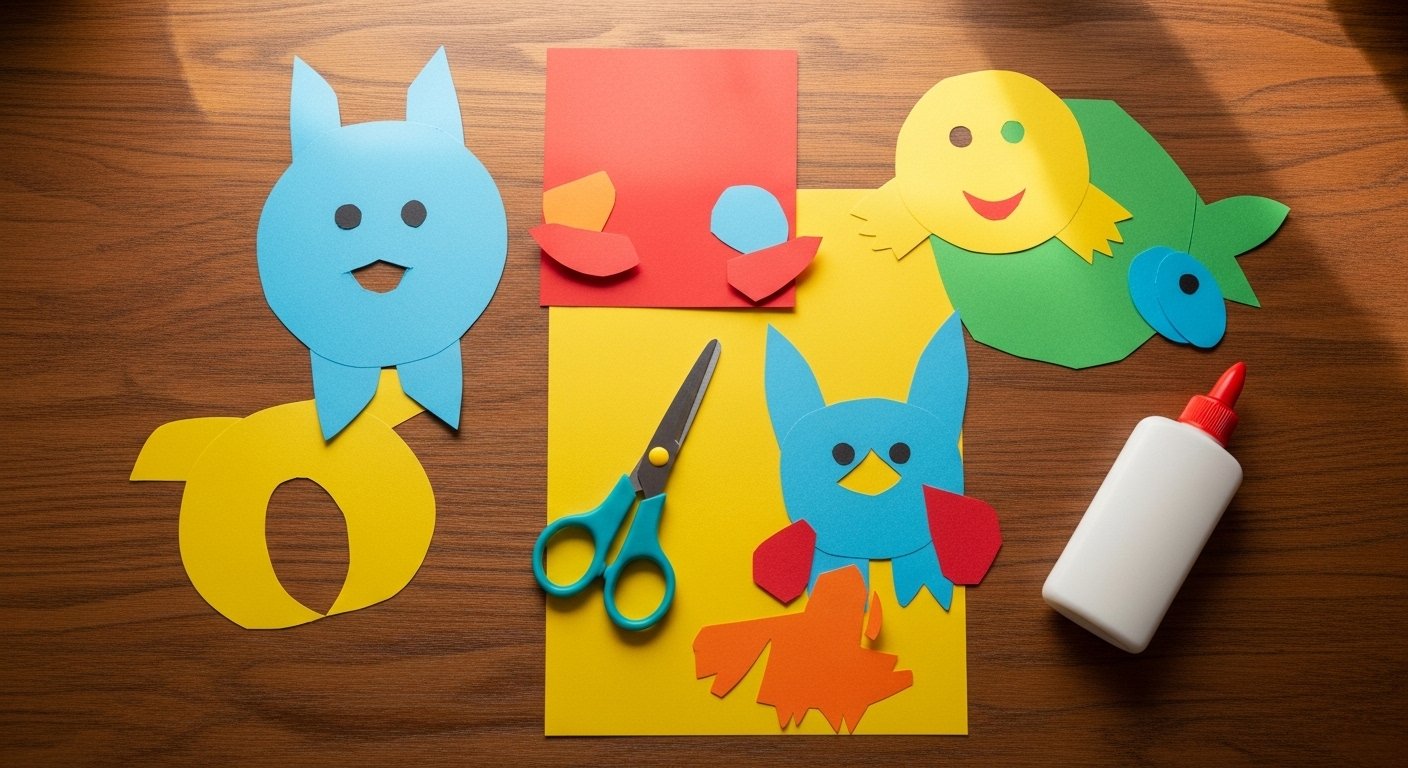
I have this ridiculous soft spot for simple, colorful projects – especially when it comes to craft for kids for beginners because the joy is instant and the mess is totally worth it. I remember the first time I taught my younger cousin how to fold a paper fan and his face when it opened was pure gold. It’s the little wins that make these crafts feel like tiny celebrations.
I put this list together because I get a lot of questions from readers who want low-stress ideas that actually work – not Pinterest shows that need five specialized tools. From my own experiments (and a few glitter explosions – yep, those happened) I picked crafts that use basic supplies, are forgiving, and teach simple skills. You can absolutely do these with a toddler, a first grader, or a reluctant kiddo who “doesn’t like crafts.”
Keep reading and you’ll get twelve beginner-friendly projects, quick tips for success, and ideas to customize each one so they actually stick. Let’s make something fun together.
These 12 Easy Craft Ideas for Kids for Beginners You’ll Love
Watermelon Paper Fan
This watermelon paper fan is such a cute starter project – it’s basically folding, coloring, and stapling, and kids see a finished “toy” in minutes. I made a batch of these for a summer picnic once and they doubled as napkins when the wind picked up – resourceful, right? If you let little ones paint the rind, the results are adorably imperfect, and that’s the point.
Silly Paper Hat
A goofy green paper hat with hand-drawn eyes is an instant costume piece and so easy to make with a single sheet of construction paper. You can try sizing it for a doll first to practice, then scale up for a child – that’s what I do when I’m feeling lazy but still want a win. Honestly, kids love wearing their creations right away, and you get great photo ops.
Simple Origami Flower
Origami flowers are beginner-friendly if you choose big, forgiving folds and patterned paper so mistakes hide nicely; kids get a quiet focus time and a pretty result. I taught a tiny cluster of seven-year-olds this once and they were so proud hiding the flowers in little “secret gardens” around the classroom. Try larger paper first and encourage tiny hands – patience grows fast with praise.
Sprinkle Sorting Game
Picking sprinkles from an egg carton is oddly calming and doubles as a fine-motor exercise perfect for preschoolers who love tactile play. I set one up during a rainy afternoon and it lasted way longer than expected – plus we used the sorted colors for a later collage project. Small tools like child-safe tweezers can turn this into a playful “science” activity too.
Paper Circle Garland
Looping colorful paper circles onto string creates an instant cheerful garland and is super simple for beginners to master. Once I left my niece to cut circles while I made tea, came back, and she’d made half of them in a pattern – proud moment. You can mix sizes and add glitter, but plain craft paper looks clean and vibrant, too.
Easy Paper Cup Craft
Turning a sheet into a little paper cup teaches basic rolling and gluing skills, and kids love using them for tiny treasures. I once used these at a birthday party so everyone had their own “treat cup” for stickers – zero cleanup headaches, which was a rare win. They feel surprisingly functional even though they’re fragile, so steer little ones toward non-liquid uses.
Toothbrush Flower Painting
Using an old toothbrush to splatter paint into a floral pattern is messy, joyful chaos and the results look artsy even when kids go wild. We tried this on a rainy craft day and I still have one of the canvases – my partner calls it “modern toddler art.” Prep the space with a plastic tablecloth and an apron, and everyone stays happier.
Paper Flower Cutting
Cutting out paper flowers builds scissor skills and gives a satisfying stack of petals for collages or cards. I remember teaching scissors basics slowly – first snips, then curves – and one kid surprised us by making a whole bouquet. Let them choose the colors, and show that imperfect edges add charm; honestly, the jagged ones are my favorites.
Painted Egg Art
Painting egg shapes on paper is a sweet seasonal craft that teaches brush control without the risk of real eggshells breaking. I used this as a calm activity at a family brunch and it turned into a sit-down gallery where grandparents and kids compared patterns. If you add stickers or glitter at the end, it becomes a mixed-media exercise that’s very satisfying.
Chick Table Decor
Little yellow chick figures and faux eggs are adorable for seasonal displays and are incredibly simple to assemble with pom-poms and glued-on eyes. My sister and I made a dozen one morning and then hid them around the house like tiny surprises for everyone – it was the best game. Kids love hiding their creations afterward, which keeps the fun going.
Bunny Paper Bags
Decorated paper bags with button noses and bunny ears are functional and festive – they work great for party favors or little storage pouches. I once used these at a sleepover to hold bedtime snacks and everyone adored the personal touch. If you attach a tiny note or sticker, each bag becomes a mini-gift from the maker to the receiver.
Colorful Object Sorting
A simple handful of colorful objects in a palm is the start of sorting, counting, and pattern games that are craft adjacent and brilliant for beginners. I sometimes use this as a warm-up before more involved projects to get tiny fingers moving – it saves frustration later. Turn it into a quick challenge: can you make a pattern with only two colors?
How to Actually Make This Work For You
Start small and pick two projects to try on a weekend afternoon so you don’t feel overwhelmed; the goal is consistent, relaxed crafting, not perfection or a Pinterest-perfect setup. Use what you already have – paper, glue sticks, safety scissors, and a few crayons – and improvise when a supply is missing, because creativity often thrives inside limits. Set a timer for 20-30 minutes to keep energy high and attention focused, and when a child starts to wander, switch to a quieter, cutting or sorting activity so the momentum stays gentle. Finally, celebrate the mess and the attempt more than the final product – praise the trying, the color choices, and the effort, and you’ll see enthusiasm grow fast.
What ages are these crafts best for?
Most are perfect for preschool to early elementary ages with simple adaptations – younger kids can do the gluing and sticking while older kids handle folding and cutting. Supervision varies by project, so plan to be close for scissor or small-piece activities.
What basic supplies should I buy first?
Start with safety scissors, glue sticks, plain and colored paper, washable markers, and a small set of tempera paints; you’ll be surprised how far these basics go. If you want one extra, get a pack of pompoms and googly eyes for instant cuteness.
How do I keep the space tidy during crafts?
Use a plastic tablecloth or old shower curtain to protect the table, keep a cup of soapy water and a cloth nearby for quick wipes, and have a single “trash” bowl so scraps stay contained. A tidy craft bin that kids can access makes cleanup into a game – see who can fill it fastest.
Can these crafts be adapted for classroom use?
Absolutely – many of these scale well for groups if you prep materials in small kits or stations so kids rotate through activities. Time estimates and clear visual examples help things run smoothly, and assistants or older kids can support little ones.