If you’re trying to build a diy wood fence cheap on a budget, I totally get it – that was me last summer when I needed privacy fast. I wanted something that looked intentional without draining my savings, and I learned a handful of practical tricks along the way.
I pulled together a mix of ideas I actually tried, things I borrowed from neighbors, and styles that made our yard feel cozier for very little money. I definitely messed up the post spacing once – note to self, measure twice – but those mistakes taught me a lot.
In this post you’ll find 12 realistic, budget-friendly wood fence ideas with visuals and easy notes so you can pick one that fits your vibe and wallet. By the end you’ll have inspiration and simple next steps to start building this weekend.
These 12 DIY Wood Fence Ideas That Won’t Break the Bank
Bamboo Stick Fence
This bamboo-style fence gives major cottage-garden energy and is such an easy visual trick for cheap privacy. I once used bamboo panels leaned against old posts to hide a messy compost heap – instant upgrade, and the neighborhood cat approved. If you want a semi-natural look without buying expensive cedar, this is the move; just secure the base so it won’t wobble in wind.
Mix Metal And Wood
Combining metal panels with wood rails adds strength and a modern edge while keeping costs down, since you can use fewer wooden boards. My brother used old chain-link posts and attached wooden slats to soften the sightlines – surprisingly chic. You can DIY this with reclaimed metal sections and quick-cut 2x4s, though you might need a friend for alignment.
Rustic Leaning Fence
Want charm and character? A leaning, slightly imperfect wooden fence leans into rustic appeal and hides a lot of handiwork. I fixed up an old leaning panel for my front garden – sanding, staining, and a few screws later it looked intentional, not broken. This is perfect if you like a lived-in look and low-cost materials.
Cinder Block Base Hack
Stacking a couple of cinder blocks as a base for fence posts is such a practical trick when you don’t want to dig or pour concrete. I used blocks during a rental period and they held up surprisingly well for seasonal fencing – quick, reversible, and cheap. Heads up though – use blocks rated for outdoor use and secure posts with brackets to keep things stable.
Wall-Mounted Wood Panels
This one shows the simplest idea: mount wood slats directly to an existing wall or structure for immediate privacy. I did this behind my balcony where the ground was a nightmare to access, and it felt like building a tiny art installation – low fuss, big impact. You can stain or leave raw wood for a worn-in mood.
Desert-Friendly Fence
Placing cacti and drought-tolerant plants in front of a simple wooden fence is both stylish and maintenance-friendly. My neighbor used a slatted fence with a row of succulents and it instantly looked like a boutique motel – in the best way. If your climate is dry, you save on water and still get a lush-looking border.
Easy Garden Border
A low, uncomplicated fence works wonders for garden edges and keeps pets and kids safe without building a fortress. I once set up a temporary border for summer tomato season using leftover boards and some zip ties – it lasted all season and cost almost nothing. This is a smart option if you need something fast and slightly imperfect.
Classic Picket Vibe
Want classic charm? Short picket-style panels can be created from scrap wood for a quaint curb appeal boost. My aunt made a tiny picket fence around her herb bed from offcuts and it looked adorable and very intentional – plus she painted it a cheerful color. Picket fences are forgiving so small measurement mistakes are less tragic than with tall privacy fences.
Close-Up Texture Inspiration
This close-up of wood grain is a reminder that even inexpensive boards can look luxe if you choose the right finish and orientation. Once I sanded and brushed on a tinted sealant, the cheapest pine looked like it cost way more than it did. Texture wins – try vertical slats to emphasize height or a diagonal pattern for cozy visual interest.
Open Field Split-Rail
Split-rail or post-and-rail fences are inexpensive, breezy, and great for marking property lines without blocking views. I built a simple two-rail fence around our community garden to keep bikes out and it created a nice frame rather than a wall. If you want something cheap and low-maintenance, this could be your style.
Pallet Planter Fence
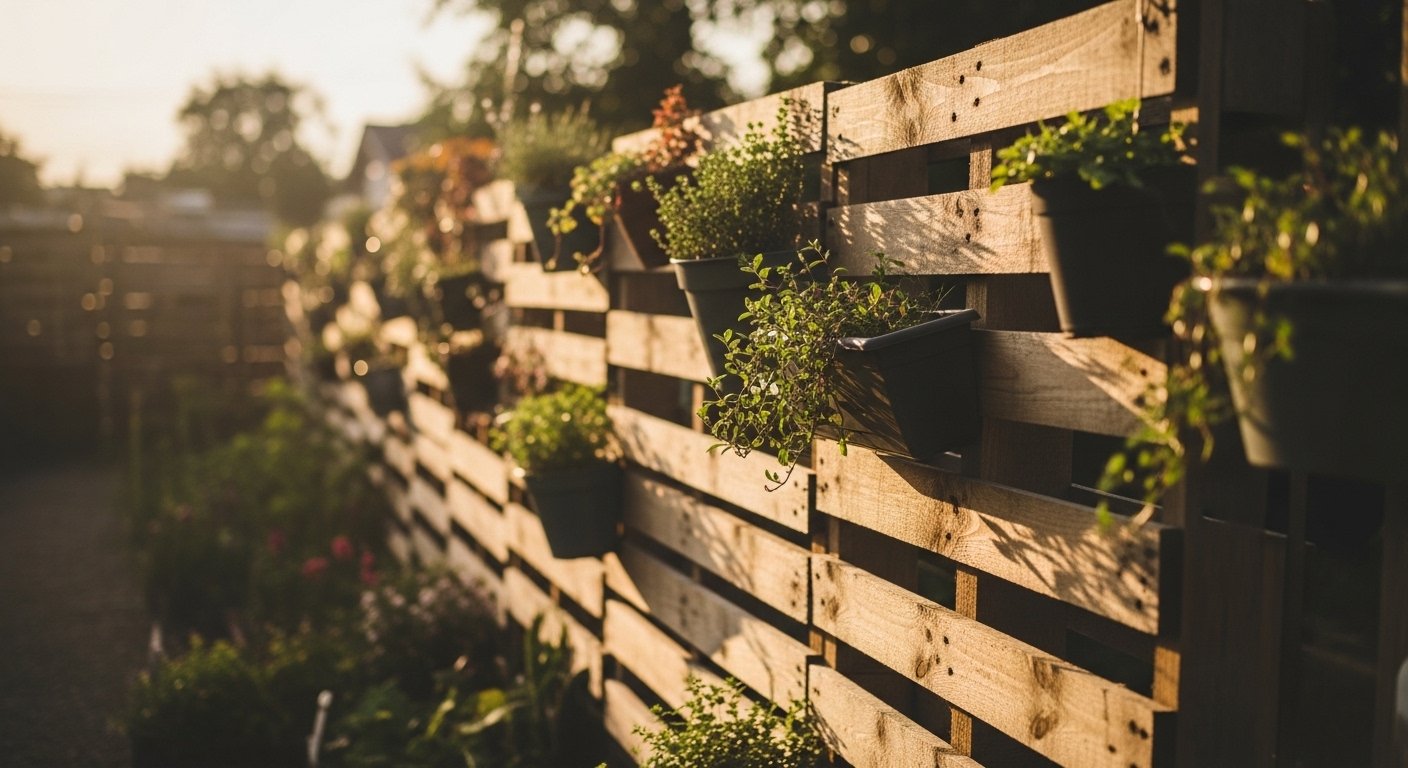
Pallets are a DIYer’s best friend – standing them up and adding plants makes a living fence that costs nearly nothing. I scored three pallets from a furniture store dumpster (please ask first) and turned them into vertical planters – neighbors stopped to ask where I bought it. This one doubles as privacy and an herb garden, so it’s worth the little extra work.
Fence Lighting Glow
Adding inexpensive string lights or side-mounted bulbs can elevate a plain wood fence into an evening lounge area. I strung lights across a slatted fence last summer and suddenly our yard became the go-to hangout spot – magical and budget-friendly. A few solar-powered options mean you won’t crank up the electric bill, too.
How to Actually Make This Work For You
Start by measuring your space and prioritizing one budget win – maybe that’s reusing pallets or leaning panels against an existing structure – and be honest about what you can physically lift and install yourself, because small wins add up fast and keep morale high. Next, choose a finish that hides faults: a tinted sealer or a coat of paint softens mismatched boards and stretches your materials further, plus it protects wood from weather so the fence lasts longer. Finally, mix function with flair by adding planters, lights, or cinder-block bases where needed, and remember that imperfection can look intentionally rustic if you lean into it; I’ve found that a little sanding and a steady hand with a stain brush go a long way toward making cheap materials feel chosen, not rescued.
How much will one of these fences cost?
Costs vary a lot depending on materials and size, but many of these ideas can be executed for under $200 for a small section if you use reclaimed wood and DIY labor. Buying new pressure-treated lumber or professional posts will raise the price, so pick your splurges carefully.
Can I build this without experience?
Yes – several options here are very beginner-friendly, like pallet fences, leaning panels, or post-and-rail setups. If you’re nervous, start with a short section as a practice run and borrow a neighbor’s drill or a friend for lifting heavy pieces.
Do I need a permit?
Permit rules depend on your city and fence height; many places allow short decorative or garden fences without any permit, but taller privacy fences often require approvals. Check local regulations before digging or installing permanent posts to avoid costs down the line.
How long will a cheap fence last?
Lifespan depends on material and finish – untreated pallet wood might last a couple of seasons, while pressure-treated or well-sealed lumber can last a decade or more. Regular upkeep like re-staining and checking posts for rot will extend life and save money over time.